
Pondless Waterfalls: What They Are and How to Build One in Your Yard

Jim Martin is the owner of Cut-Rite Lawn Service in Sandpoint, Idaho, with 25+ years of experience providing trusted lawn care, landscaping, and custom water feature installation across North Idaho.
Adding moving water to a landscape can completely transform a yard. The sound of cascading water creates a relaxing atmosphere, attracts wildlife, and adds a natural focal point to your outdoor space. While traditional garden ponds are popular, many homeowners today are choosing pondless waterfalls because they provide the beauty of a waterfall without the maintenance and safety concerns of a pond.
As a lawn care and landscape professional, I often recommend pondless water features to homeowners who want the look and sound of water in their yard without the extra upkeep. In this guide, we’ll cover what a pondless waterfall is, the benefits it offers, and step-by-step instructions for building one.
What Is a Pondless Waterfall?
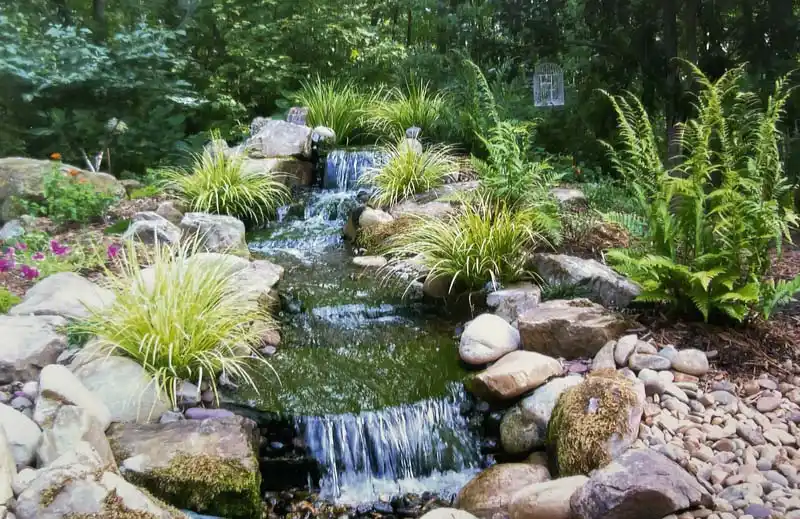
A pondless waterfall is a water feature where water flows down rocks or a stream and disappears into an underground reservoir instead of collecting in a visible pond. The water is then pumped back to the top of the waterfall and recirculated continuously.
From the surface, you see a natural-looking waterfall or stream flowing over rocks and gravel. However, the water drains through the stones into a hidden basin below ground where it is stored and recirculated.
A typical pondless waterfall system includes:
- Waterfall spillway box – releases water evenly at the top of the falls
- Pump – circulates water through the system
- Flexible tubing – carries water from the basin to the top
- Underground reservoir basin – stores water below ground
- Pond liner and underlayment – prevents leaks
- Rocks and gravel – create the natural waterfall appearance
Because the water disappears underground rather than collecting in a pond, the system is simple, efficient, and much easier to maintain.
Benefits of Pondless Waterfalls
Pondless waterfalls have become one of the most requested landscape features for several reasons.
Low Maintenance
Traditional ponds require ongoing care to manage algae, maintain water quality, and keep fish healthy. Pondless waterfalls eliminate most of these concerns. With no standing pond water, you’ll spend far less time cleaning and maintaining the feature.
Improved Safety
For families with children or pets, a deep pond can be a safety concern. Pondless waterfalls are much safer because the water collects underground rather than in an exposed pool.
Great for Small Yards
Ponds can require a large footprint. Pondless waterfalls work well in small yards, narrow spaces, or even along garden beds.
Energy Efficient
Since the water volume is smaller, these systems usually require smaller pumps than large ponds. This means lower electricity usage and operating costs.
Flexible Design Options
Pondless waterfalls can be designed to look completely natural or modern depending on your landscaping style. They can be integrated into slopes, patios, gardens, or even small courtyards.
Planning Your Pondless Waterfall
Good planning is the key to building a successful water feature.
Choosing the Right Location
Ideally, place your waterfall where it can be seen and heard from outdoor living spaces such as patios or decks. A natural slope in the yard makes installation easier, but waterfalls can also be built on flat ground by creating an elevated mound.
Avoid areas directly under large trees where falling leaves could increase maintenance.
Determining the Size
The size of your waterfall depends on available space and the visual effect you want. Important factors include:
- Height of the waterfall
- Length of the stream or cascade
- Size of the underground basin
A good rule of thumb is that larger waterfalls require larger reservoirs to hold enough circulating water.
Checking Utilities
Before digging, always contact your local utility locating service to ensure there are no buried power lines, gas lines, or pipes in the work area.
Materials and Tools Needed
To build a pondless waterfall, you’ll typically need:
- Pond liner (rubber or PVC)
- Protective underlayment
- Water pump
- Flexible tubing
- Waterfall spillway box
- Gravel
- Decorative rocks or boulders
- Reservoir basin blocks or container
- Shovel
- Level
- Utility knife
- Landscaping fabric
Most landscaping supply stores sell complete pondless waterfall kits that include many of these components.
Step-by-Step: How to Build a Pondless Waterfall
Step 1: Design the Layout
Start by outlining the path of the waterfall or stream with spray paint or a garden hose. Decide where the water will begin and where the underground reservoir basin will sit.
Keep curves and bends natural for the most realistic appearance.
Step 2: Dig the Reservoir Basin
Next, dig the hole for the underground reservoir at the bottom of the waterfall. The size depends on your system, but many basins are around 2–3 feet deep.
Install basin blocks or a reservoir container according to the manufacturer’s instructions.
Step 3: Install Underlayment and Pond Liner
Line the entire excavation with protective underlayment to prevent rocks from puncturing the liner. Then install the pond liner over the underlayment, making sure it covers the basin and the entire waterfall path.
Leave extra liner around the edges so it can be hidden later with rocks and soil.
Step 4: Install the Pump and Plumbing
Place the pump inside the reservoir basin and connect the flexible tubing. Run the tubing from the pump up to the top of the waterfall where the spillway box will sit.
Hide the tubing along the side of the stream or underneath rocks.
Step 5: Build the Waterfall Structure
Install the waterfall spillway box at the top of the feature. This box spreads water evenly across the top rock shelf.
Next, stack larger rocks and boulders to create ledges where water will cascade downward. Carefully adjust the rocks so water flows over them naturally.
This step often takes the most time because the rock placement determines the final look and sound of the waterfall.
Step 6: Add Gravel and Decorative Stone
Fill the stream bed and reservoir cover area with gravel. This helps hide the liner and allows water to filter easily down into the basin.
Add decorative rocks and small stones to create a natural appearance.
Step 7: Fill and Test the System
Fill the reservoir with water and turn on the pump. Watch how the water flows down the rocks and adjust them if needed to improve the look or sound.
Once everything is flowing smoothly, hide the remaining liner edges with soil, mulch, or plants.
Landscaping Around Your Waterfall
Plants can make a pondless waterfall feel like part of the natural environment.
Good options include:
- Ornamental grasses
- Hostas
- Ferns
- Creeping groundcovers
- Moss around rocks
Landscape lighting is another great addition. Small LED spotlights can highlight the waterfall at night and create a dramatic effect.
Maintenance Tips
One of the biggest advantages of pondless waterfalls is how easy they are to maintain. Basic care includes:
- Checking the water level occasionally
- Cleaning the pump every few months
- Removing leaves or debris from the rocks
- Inspecting the system for leaks
In colder climates, you may also want to shut down the pump during winter to prevent damage from freezing temperatures.
Common Mistakes to Avoid
Many DIY builders run into problems because of a few common mistakes:
- Building a reservoir basin that is too small
- Not using enough liner under the waterfall area
- Poor rock placement causing water to escape the liner
- Using an undersized pump that can’t produce a strong waterfall
Taking time during planning and installation can prevent most of these issues.
Cost to Build a Pondless Waterfall
Costs can vary depending on size and materials.
Typical price ranges include:
- DIY pondless waterfall: $500–$2,500
- Professional installation: $3,000–$10,000+
DIY projects can save money, but professional installers often provide better rock placement, stronger pumps, and longer-lasting construction.
Is a Pondless Waterfall Right for Your Yard?
If you want the relaxing sound of flowing water without the maintenance of a pond, a pondless waterfall is an excellent option. They work especially well for homeowners who want a low-maintenance landscape feature that adds beauty, movement, and tranquility to their outdoor space.
With thoughtful planning and the right materials, you can create a stunning waterfall that becomes the centerpiece of your yard for years to come.